Lego Group starts making selected Lego® elements using eMethanol
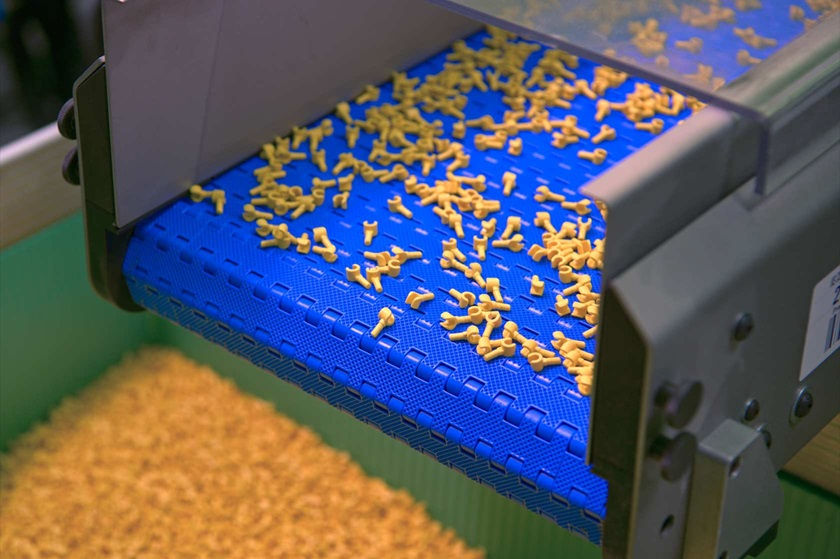
Lego Group announced in October that it has started using eMethanol, a renewable material, to help make more than 90 robust and rigid Lego® elements including cross axles, connectors, steering wheels and Minifigure hands.
This is the result of a partnership agreement to support the production of this material on an industrial scale.
Through a process known as “Power-to-X,” renewable energy is used to produce hydrogen, which is then combined with carbon captured from a biogas facility that would otherwise be released into the atmosphere.
The result is eMethanol, a renewable alternative that can be used in the production of plastics.
Lego Group said this marks the latest step on its journey to increase the recycled and renewable materials it purchases to make Lego products, without compromising on safety, quality or durability.
It follows more than five years of partnership, testing, learning and scaling to use eMethanol for the production of plastic.
“It’s been a complex journey,” the company said. “The challenge has not only been identifying a renewable alternative, but also working with suppliers to integrate the new material into existing manufacturing infrastructure and production methods. As such, the eMethanol is fed into a continuous production loop where virgin fossil is also present. This allows us to begin scaling the solution whilst reducing our use of virgin fossil.”
Lego Group added that the introduction of eMethanol is just one small milestone in its wider materials journey.
“More importantly, it demonstrates the power of collaboration across industries to accelerate innovation and scale meaningful materials solutions that no single company can achieve alone,” Lego Group stated.